What "medical-grade skincare" means
10 August 2026
There is no FDA category called medical-grade. Here is what the phrase is usually standing in for, which distinctions are real and checkable, and which are only a tone of voice.
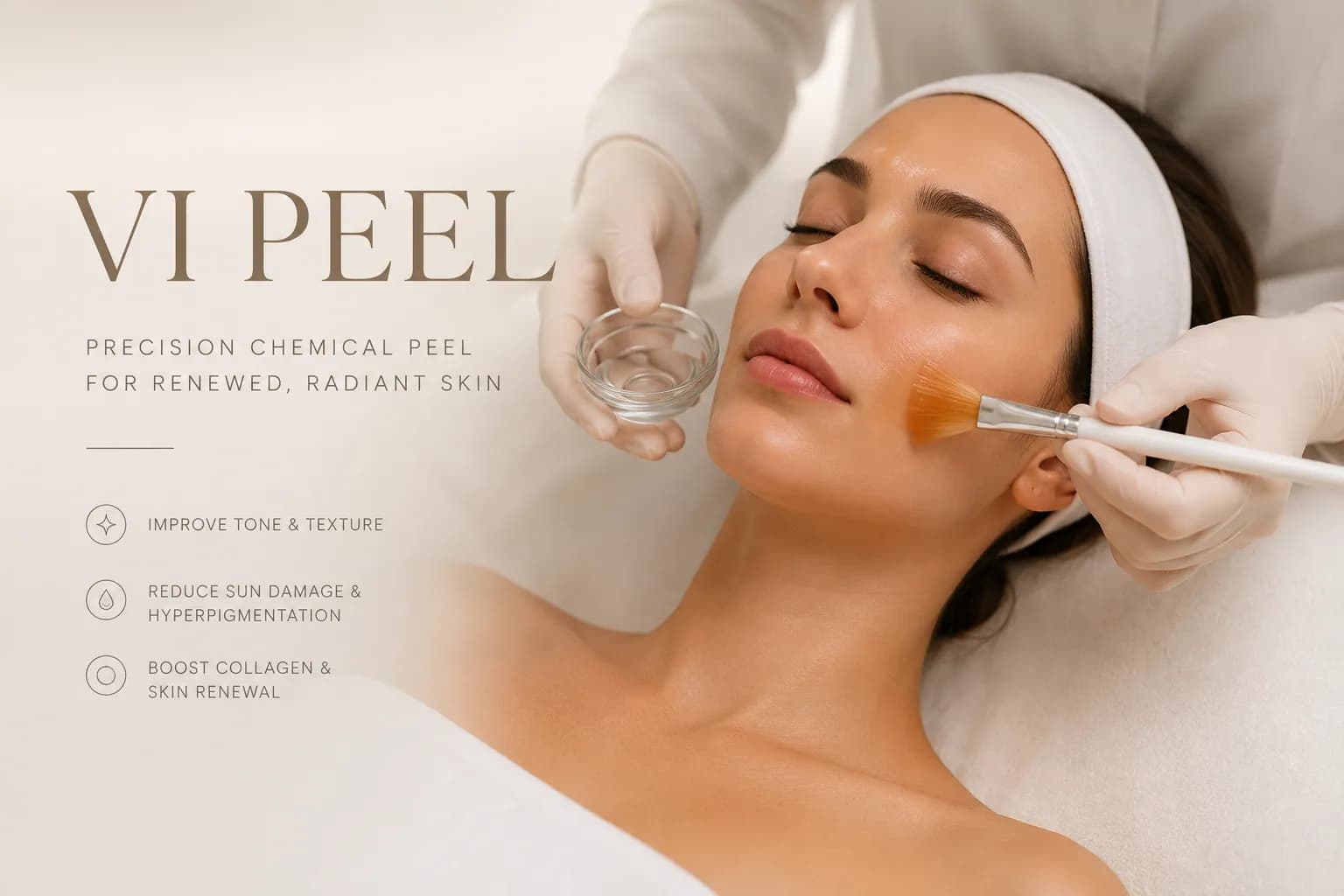
The phrase turns up on a great many New York clinic websites, including, in one place, on ours: our VI Peel is described as a medical-grade peel. So it is worth being precise about what the words do and do not mean. "Medical-grade" is not a regulatory category. The FDA does not define it, does not award it, and nothing is graded. It is a tone of voice.
What is actually regulated is narrower and more useful to know. A product is treated as a cosmetic when it is intended to cleanse or beautify, and as a drug when it is intended to affect the structure or function of the body — and that line is drawn by the claim being made, not by the price or the strength. Separately, some ingredients are prescription-only, which means a prescriber has to be involved. Cosmetic or drug, prescription or over-the-counter: those distinctions are real and checkable. "Medical-grade" is not one of them.
When a clinic uses the phrase, it is usually standing in for one of three things. The first is professional distribution — formulations sold through a practice rather than a shop counter. That is a genuine fact about the supply chain, and it carries something with it, since a product handed over in a treatment room comes with instructions and follow-up. It is not, by itself, a statement about potency.
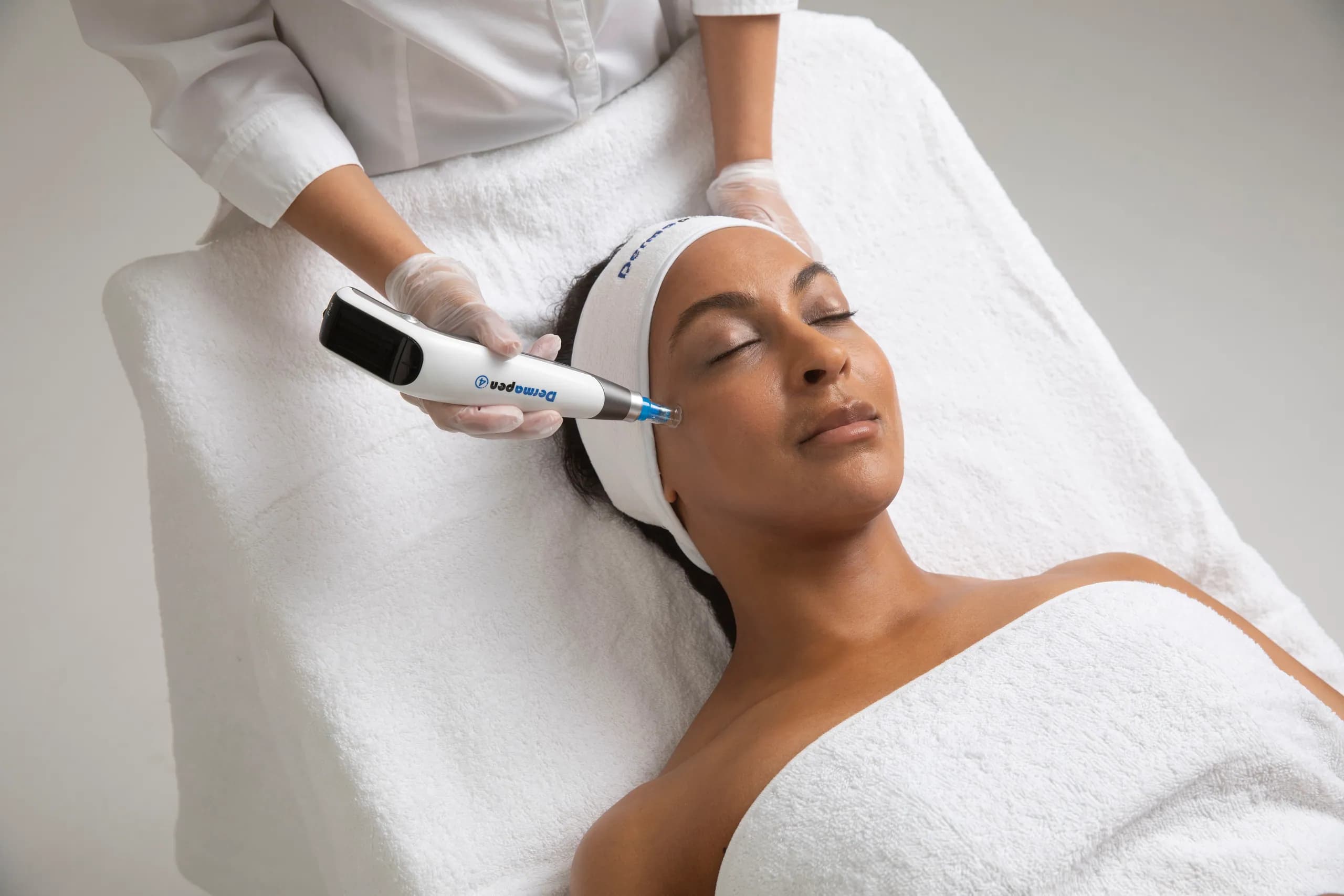
The second is that the treatment is performed under a licence. On our menu that is the Medical mark, and it covers VI Peel, Dermapen 4 microneedling, Picofy, M22 IPL, Sofwave, Morpheus8, Thermage FLX and Ultherapy. Those are performed or supervised by appropriately licensed professionals. This is the distinction most people actually mean when they search for medical-grade skincare in NYC: not a stronger cream, but a treatment that requires someone qualified to be in the room.
The third is a cleared device, and it is the only one of the three that comes with a document you can read. Aesthetic devices are FDA cleared through a 510(k), not FDA approved — approval is a different and higher pathway — and every clearance is for a specific written indication. Sometimes that indication matches the marketing. Sofwave is cleared for "improvement of facial lines and wrinkles, lifting the eyebrow, and lifting lax submental and neck tissue, in subjects aged 22 and older" (K223237), which is close to how it is usually described. Sometimes it does not match at all. Morpheus8 is cleared for "dermatological and general surgical procedures for electrocoagulation and hemostasis" (K200947), which is a long way from the phrase "cleared for skin tightening" that so much of this industry prints. Both documents sit on the FDA's public site. Asking for the K number costs nothing and settles the question.
It is equally worth saying what medical-grade does not tell you. It says nothing about whether something suits your skin, nothing about concentration, and nothing about whether you need it at all. A strong peel on a compromised barrier is a worse outcome than a gentle facial. Our VI Peel resurfaces over roughly a week, which is the treatment working as designed rather than a side effect — but that is not the right week for everyone, and it is a decision for a consultation rather than a checkout page.
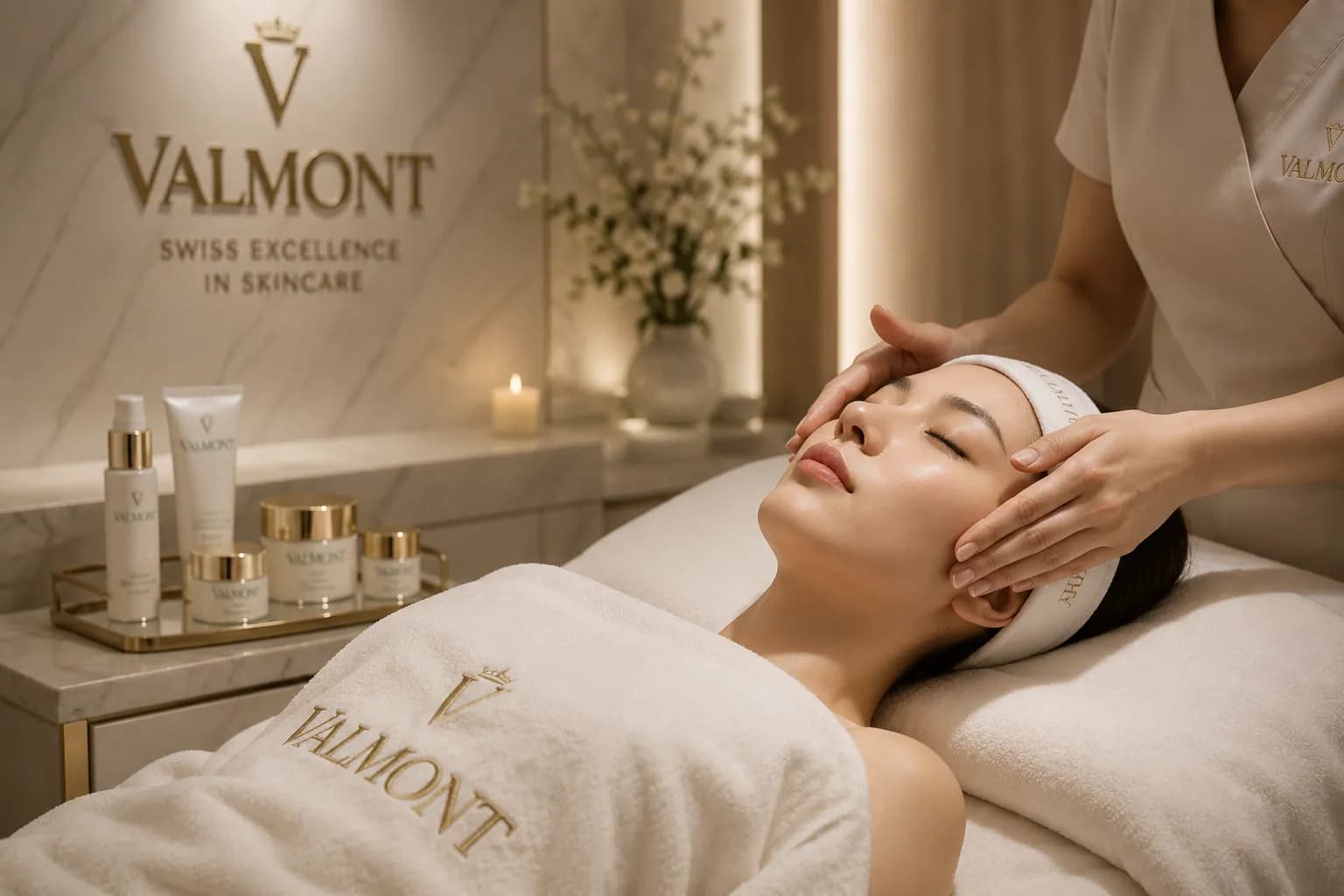
There is also an honest place for skincare that makes no medical claim whatsoever, and pretending otherwise helps nobody. Our Luxury Anti-Aging Facial uses prestige Valmont skincare: it is nourishing, deeply relaxing, and leaves skin looking plumper and brighter. It is a cosmetic ritual and we do not describe it as anything else. The Minori Signature Facial is built around your skin on the day, whether that calls for calming, brightening or anti-ageing work. Both are good at what they are for. Neither is going to remodel collagen, and a clinic that implies otherwise is selling you the wrong thing.
That is really the useful frame. Facials do surface work and comfort work, and they do it well and repeatably. Structural change — laxity, pigment, scarring, texture at depth — needs devices, protocol and time, and it belongs with someone licensed to deliver it. Dermapen 4 microneedling and Morpheus8 both create controlled injury to prompt rebuilding; that is a different proposition from a serum, with a different recovery and a different conversation beforehand.
So if the phrase "medical-grade" is what brought you here, take four questions with you instead. Is this a cosmetic or a prescription product, and who is prescribing it? If it is a device, which one, and what is it cleared for — may I see the number? Who is performing the treatment, and under what licence? And what does this not do?
None of those require you to trust anyone's adjectives. Results vary from person to person, and whether any of this is right for your skin is a judgement made at a consultation, not from a search result.