What Medical-Grade Skincare Means in NYC
14 October 2026
It names a category rather than a product. Here is how the term is used, where its promises stop, and what to ask before you buy.
When a clinic calls its skincare "medical grade," it usually means the products contain higher concentrations of active ingredients than what you would find on a regular retail shelf — and that they are dispensed only through a professional evaluation.
That is a real difference. An over-the-counter serum might share the same ingredient name as a professional formulation, but concentration, delivery system, and packaging all affect how much actually reaches the skin. Medical-grade products are subject to different manufacturing standards and are typically introduced as part of a treatment plan rather than picked up at random.
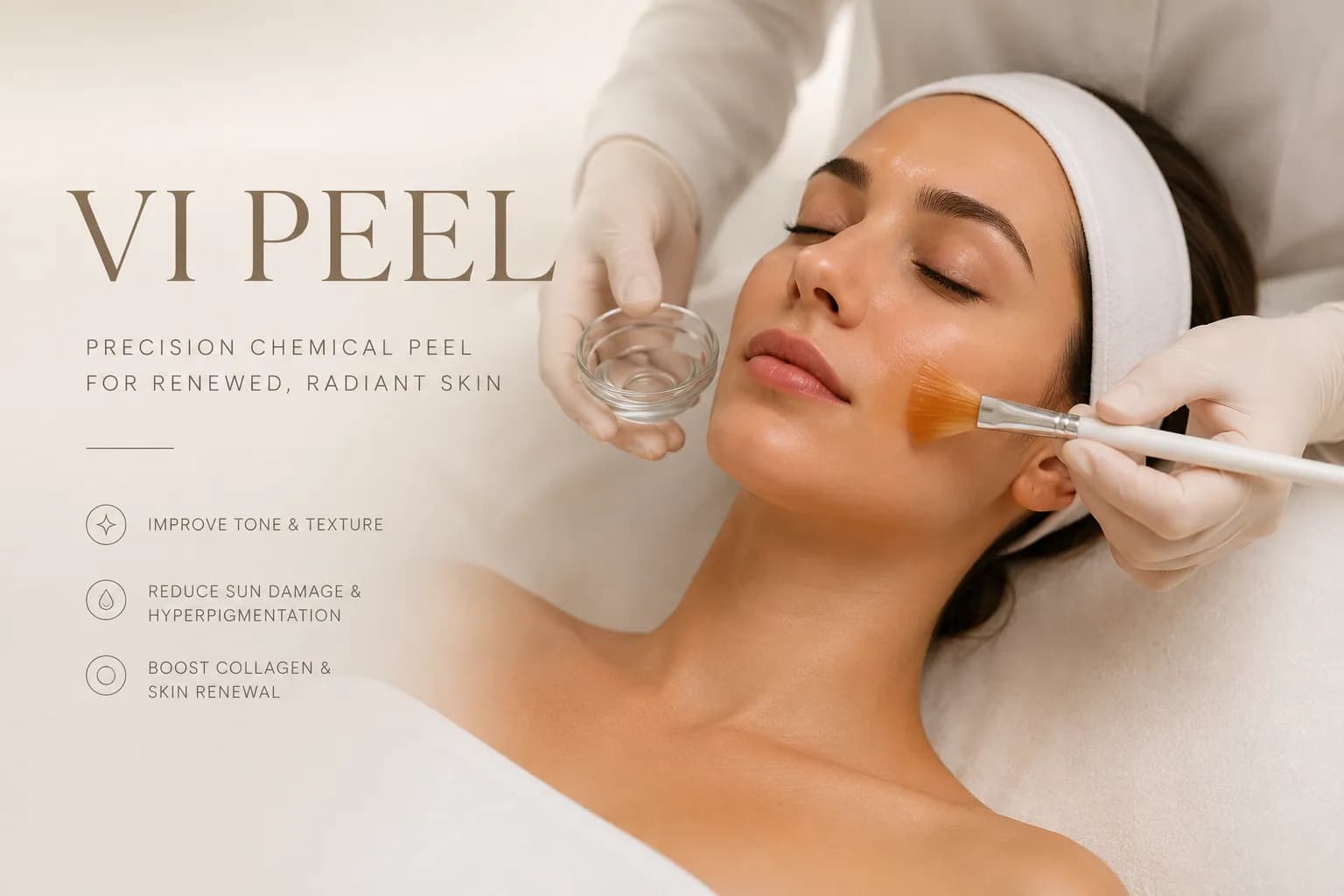
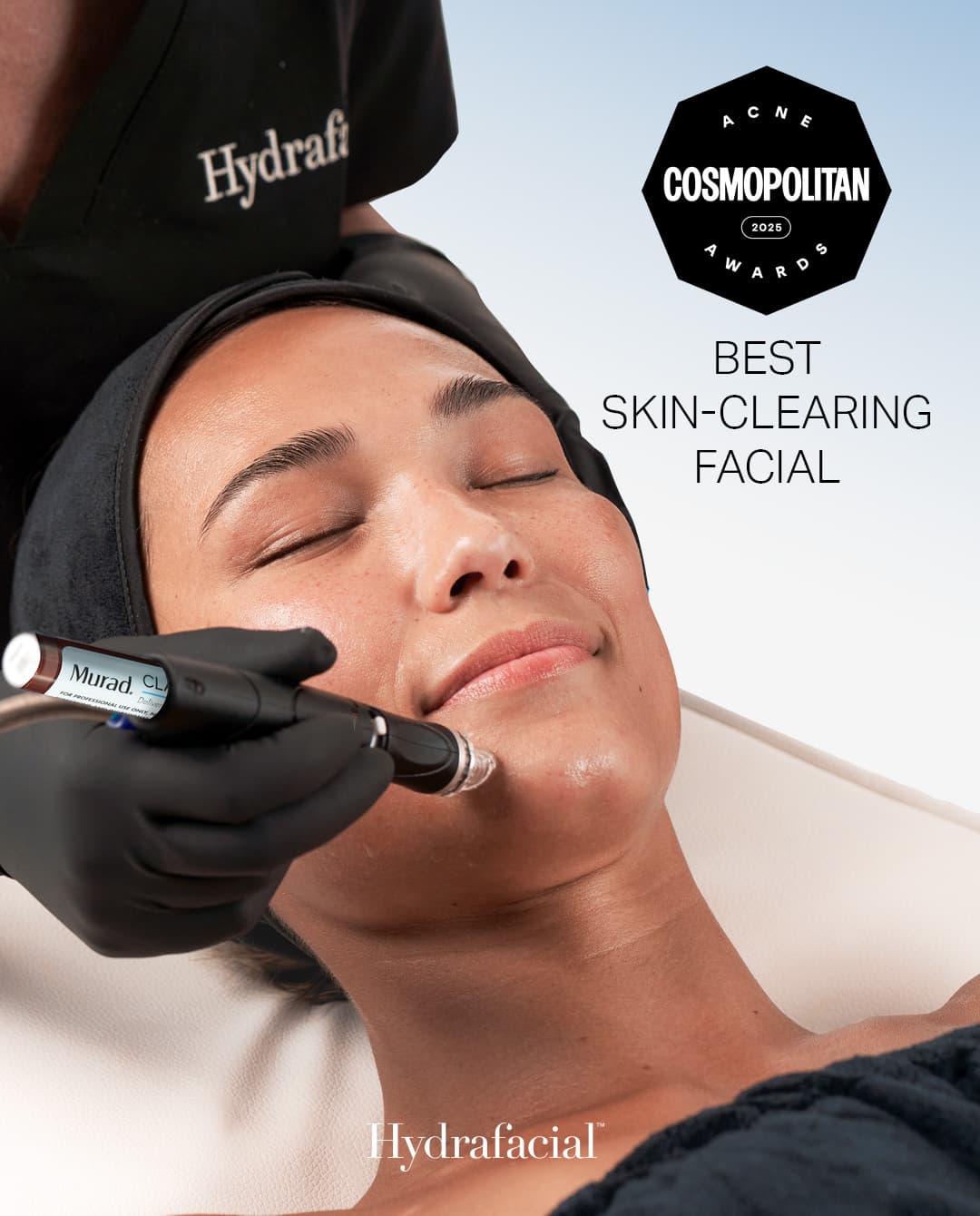
At Minori Skincare in Manhattan, medical-grade products are offered alongside in-clinic treatments rather than as a standalone purchase. During a consultation, a specialist assesses your skin and recommends what may help — which may include a targeted regimen, an in-office treatment, or both. The VI Peel is one example of a treatment that uses a medical-grade solution to address texture and tone; HydraFacial formulations are another.
The term does not describe a single product or brand. It describes a category — and knowing what it does and does not guarantee helps you ask better questions before you book.
A consultation is required to determine which medical-grade options, if any, are suitable for your skin. Book one at Minori Skincare, 146 W 29th St, 4W, New York, NY 10001, open every day 10:00–20:00.
This page was reviewed by Olivia Yang, Licensed Cosmetologist.
NY License AEC-25-00169
Reviewed: the description of this treatment, how the appointment runs, and what the studio provides — not its clinical safety or aftercare.
Last reviewed August 13, 2026.