Japanese Facials & the Korean HydraFacial
10 August 2026
Neither Japanese facial rejuvenation nor a "Korean HydraFacial" is a single product — both describe an approach built around barrier health, gentleness and consistency rather than dramatic correction. Here is what those practices actually involve, where they differ from the Western model, and where the two meet at Minori.
Two very different searches tend to lead people to the same question. One is about Japanese facial rejuvenation — what is popular in Japan, what the clinics there actually do. The other is for a Korean HydraFacial, as though it were a specific machine you could book. Neither is really a product. Both are shorthand for a way of treating skin, and the way is more interesting than the label.
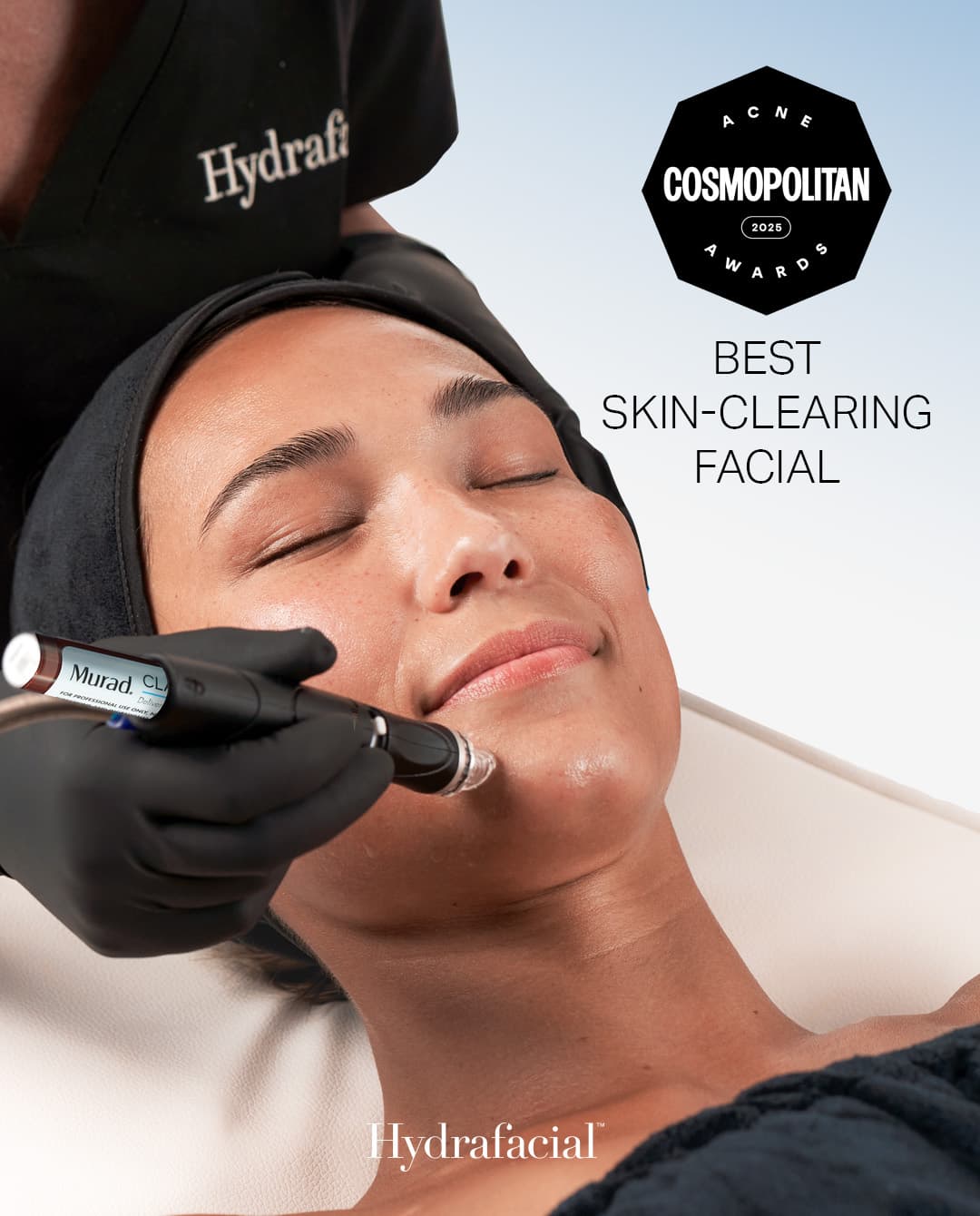
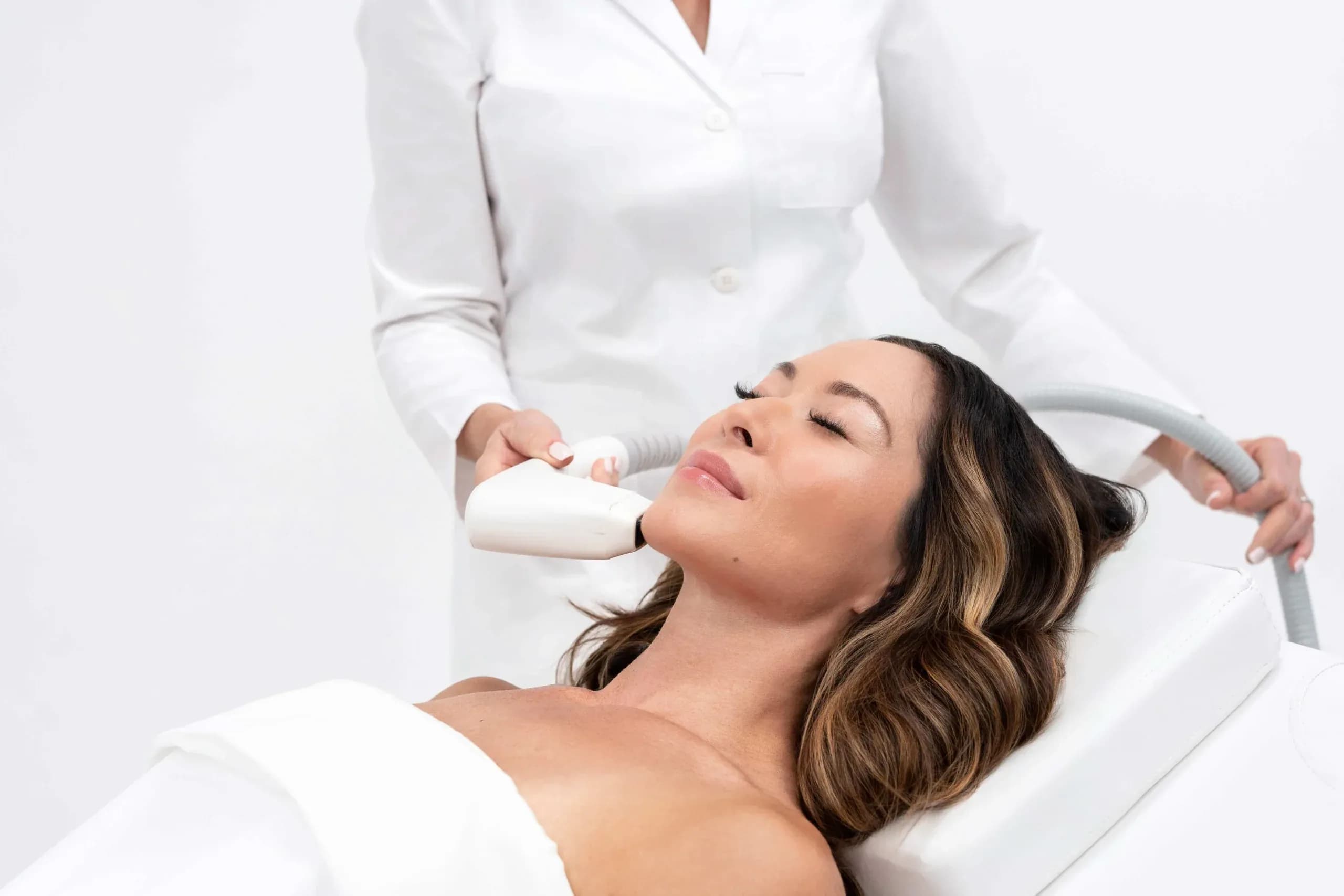
Start with the easier one. HydraFacial is a device, and it is not a Korean invention. It cleanses, exfoliates, lifts away debris with gentle suction and delivers serum in the same pass. When people search for a Korean version of it, what they are usually describing is not different hardware but a different context: a facial you have regularly rather than occasionally, kept deliberately light, and judged by how your skin looks the following week rather than by how dramatic the recovery was.
That is a fair summary of what Korean routines emphasise. Layers rather than strength — an essence or a hydrating serum before anything richer, so that moisture is held in place instead of sitting on dry skin. Ingredients chosen to support the barrier: ceramides, panthenol, centella, humectants. Sunscreen treated as a daily article of faith rather than a summer accessory. Treatments selected partly on how soon you can go back to work. The aesthetic often called glass skin is, practically speaking, about light reflecting evenly off skin that is well hydrated and even in texture. It is not skin that has been stripped.
Japanese practice overlaps but has its own accents. Cleansing is taken seriously as its own step, traditionally oil first and then a low-foaming wash, on the reasoning that what you remove badly you will spend the rest of the routine repairing. Lotion — closer to a watery hydrating layer than a Western toner — is applied generously before anything else, sometimes on cotton, sometimes soaked and laid on the skin. Formulas skew fragrance-light and simple, which suits reactive skin. Sun protection is worn through the year rather than seasonally. And there is an unusual amount of attention paid to touch: facial and scalp massage treated as ordinary maintenance rather than an indulgence, and routines adjusted by season instead of held rigid all year.
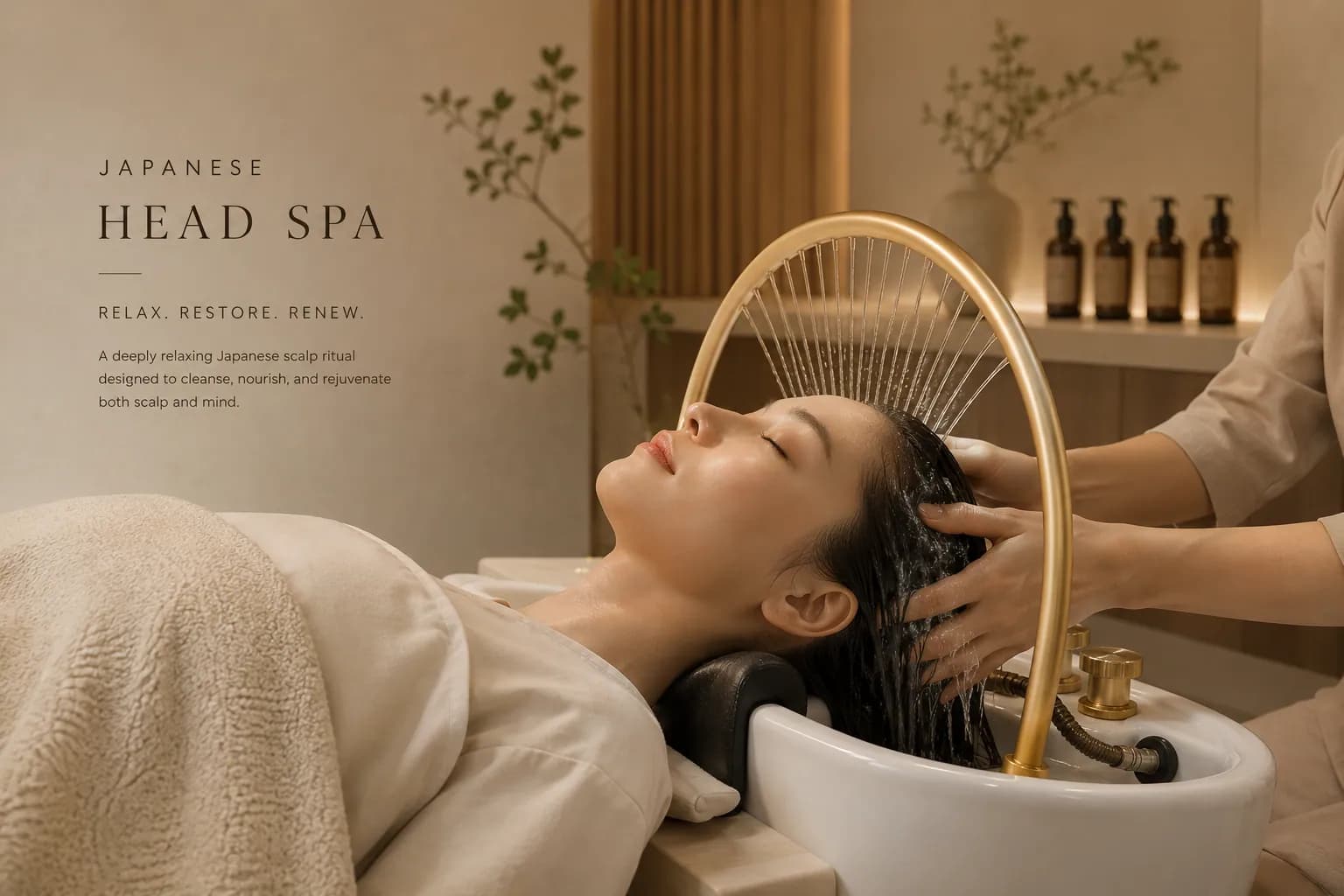
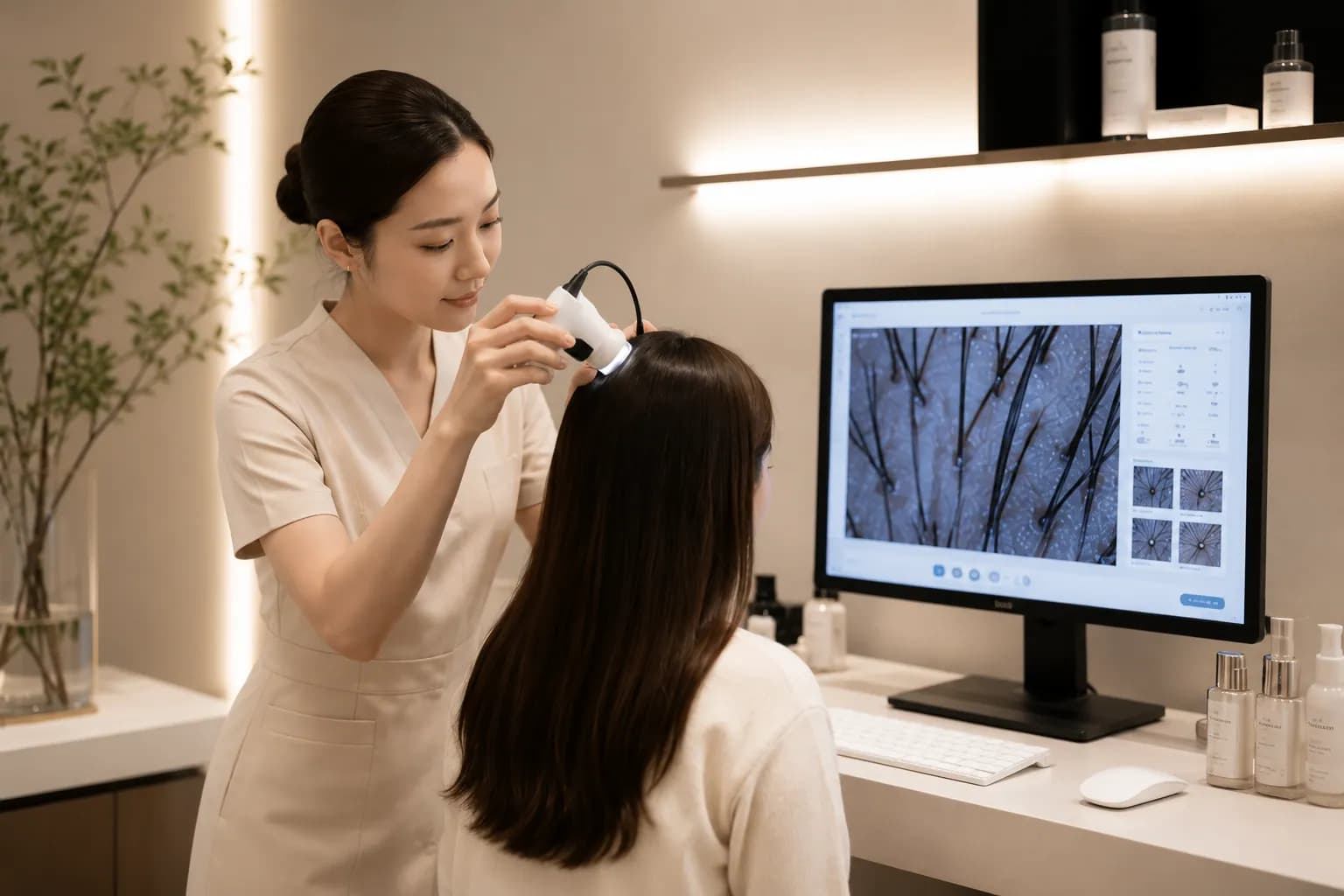
The scalp deserves its own note, because it is the clearest example of the difference. In the Japanese tradition the scalp is not a separate territory from the face; it is the same skin, continuing upward, and it holds tension. Our Japanese Head Spa Ritual follows that logic — scalp analysis, a thorough cleanse, and a long, slow massage. It is worth being clear about what that is not. It is not a hair-loss treatment and it is not a medical procedure. If hair thinning is the actual concern, a scalp consultation is the honest starting point, and what people notice most from a head spa is usually how they feel afterwards.
Set against this, the Western aesthetic tradition has been more comfortable with intervention. Stronger actives, deeper resurfacing, energy-based devices, downtime accepted in exchange for a larger single change. It is a model built around correction, and it is genuinely good at it — collagen laxity, textural scarring and sun damage respond to it in ways that no amount of gentle layering will match. What it does less naturally is maintenance. The Asian model, broadly, front-loads prevention: protect the barrier, protect against ultraviolet light, intervene early and lightly, and keep doing it. Neither approach is superior. They answer different questions, and most people are asking both.
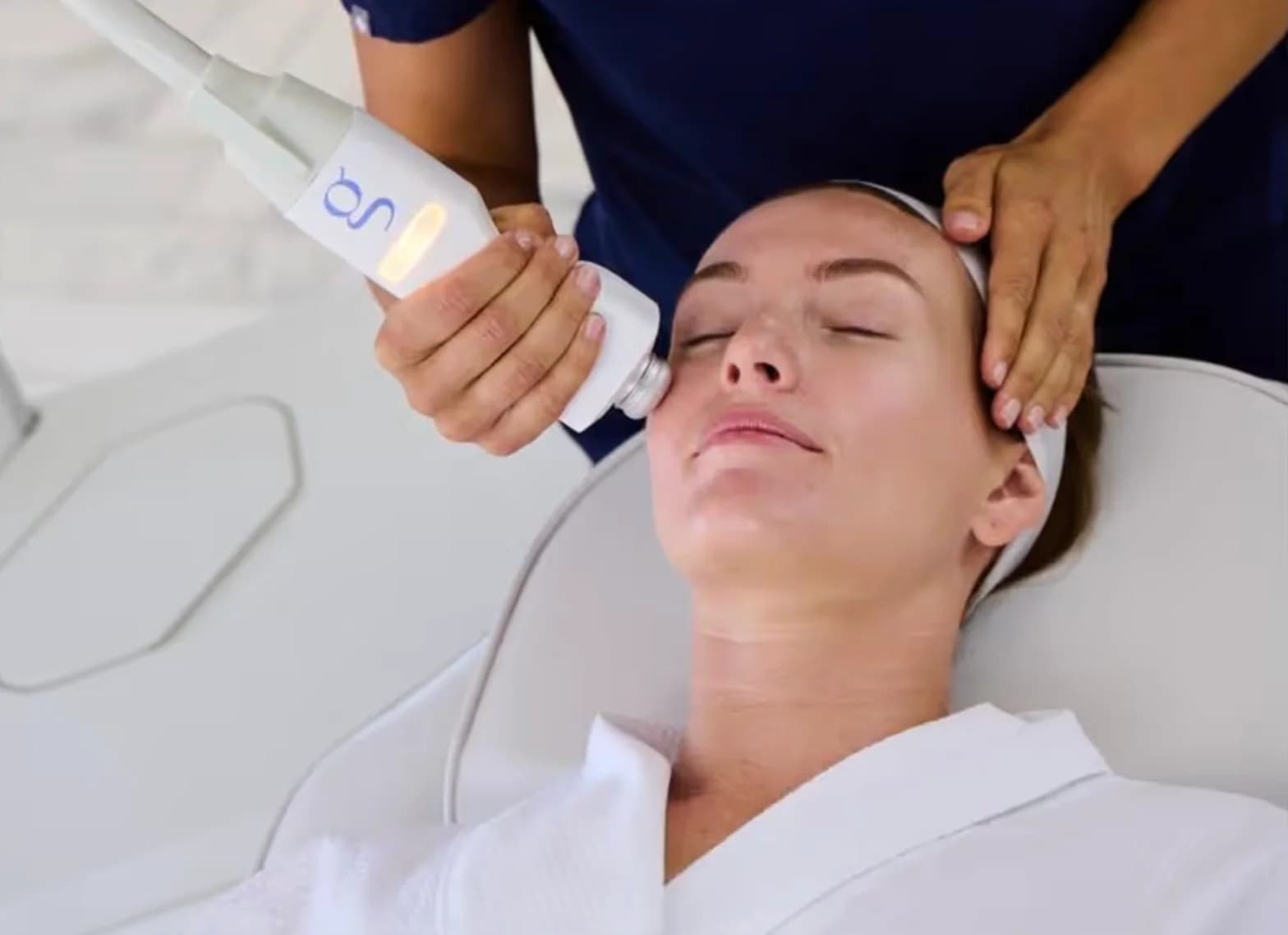
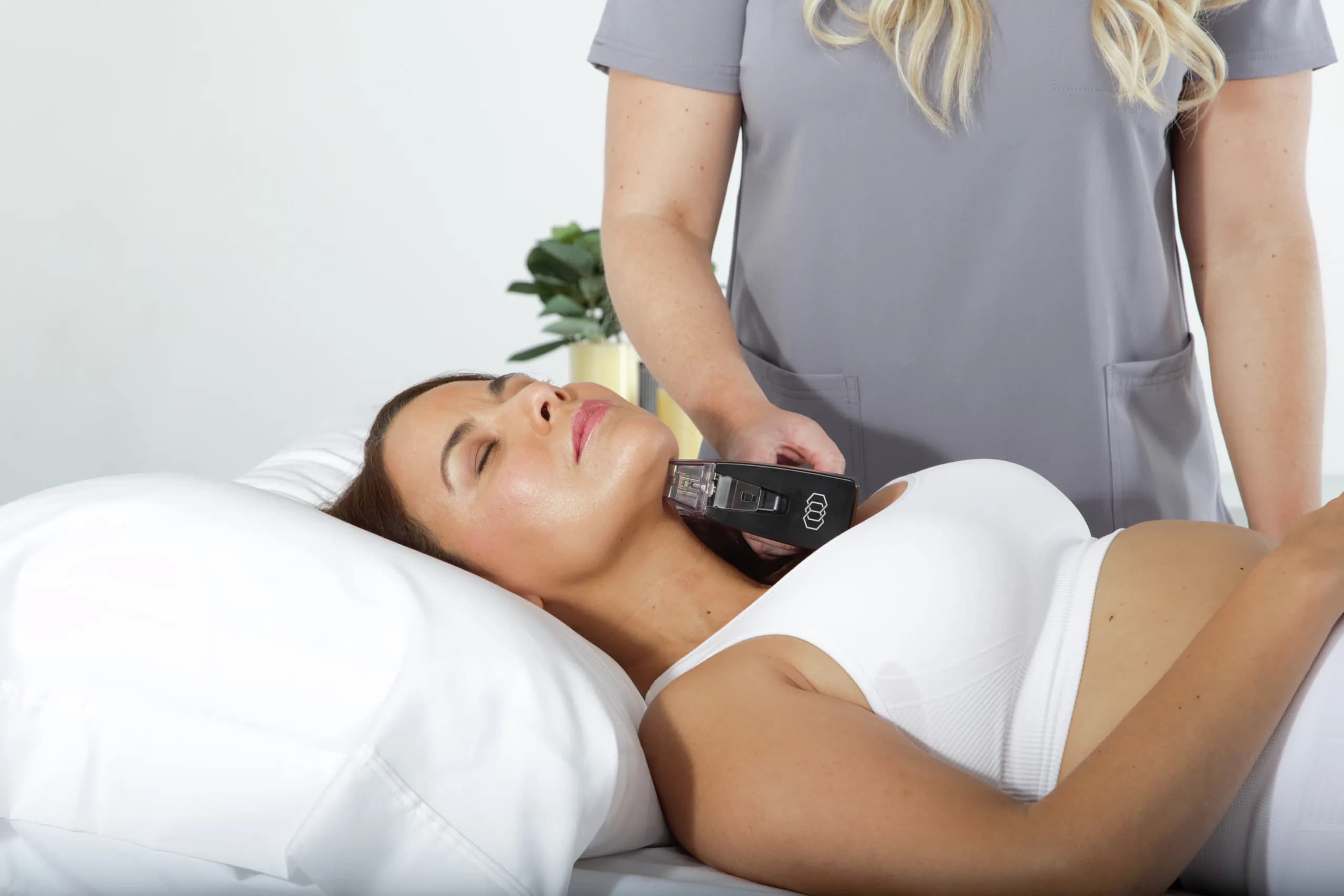
Minori was built at that join, which is why the facial menu here is hydration-led rather than aggressive. HydraFacial and HydraGlow sit at the centre of it. Glacial Skin exists for skin that runs hot or reactive and needs calming more than it needs exfoliating. When correction is what is genuinely called for, the technology is here too — Sofwave, an FDA-cleared ultrasound device, for early laxity; Morpheus8 for texture and scarring; pico laser for pigment. The philosophy does not decide whether to use a device. It decides how often, how hard, and in what order.
The limits run in both directions and are worth stating plainly. Consistency will not substitute for a device when the concern is structural — a gentle facial does not lift, and no facial is a facelift. Equally, no device compensates for a barrier that is being irritated at home every week; skin that is treated harshly between appointments arrives inflamed and tolerates less. The most common mistake we see is importing someone else's routine wholesale, ten steps and all, without asking whether it was designed for this climate. A New York winter with dry indoor heat is not Seoul in the spring, and skin notices.
What that means in practice is that the approach gets adapted rather than copied. Results vary from person to person, some treatments are priced at consultation, and whether any of this suits your skin is decided in person, by looking at it, not by a search result.